Door Knob Lock & Deadbolt Installation: What the Job Actually Involves
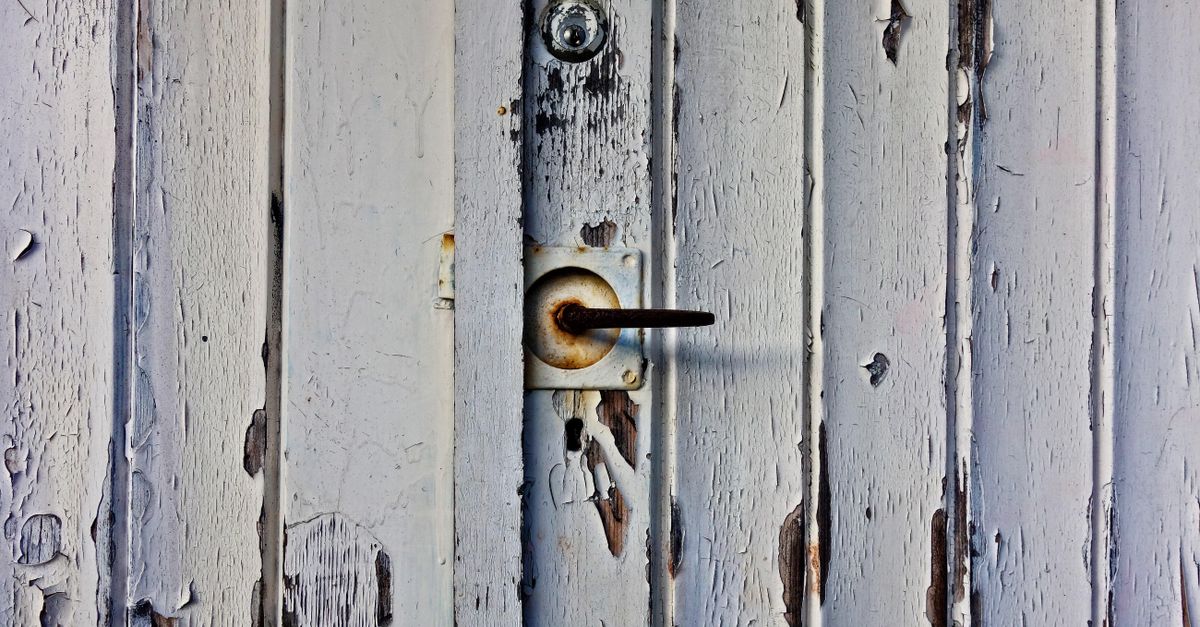
Replacing or upgrading a door knob lock is rarely as simple as unscrewing the old one and screwing in the new one. Bore-hole diameter, cross-bore depth, backset measurement (typically 2-3/8″ or 2-3/4″), and door thickness all have to match the replacement hardware. When they don't, the latch won't retract fully, the knob will spin loose under pressure, or the deadbolt throw won't reach the strike plate correctly — all of which create real security gaps. Our technicians carry a range of Schlage, Kwikset, and other manufacturer hardware on the mobile unit, allowing most jobs to be completed in a single visit without the back-and-forth of ordering parts.
Deadbolt installation is a separate but often complementary job. A Grade 1 ANSI deadbolt with a minimum 1-inch throw, installed alongside a keyed door knob with lock and key, gives residential doors a dual-layer of resistance that significantly raises the effort required to force entry. For properties in higher-traffic areas of New Windsor — or older homes where the original hardware dates back decades — upgrading both the knob lock and the deadbolt at the same time is the most cost-effective approach. Our technicians assess the door's current condition, check for frame damage or strike-plate weakness, and recommend the combination of hardware that fits both the security need and the door's physical constraints.