Safe Hands Locksmiths Service Team
Local locksmith team
May 7, 2026 12 min read
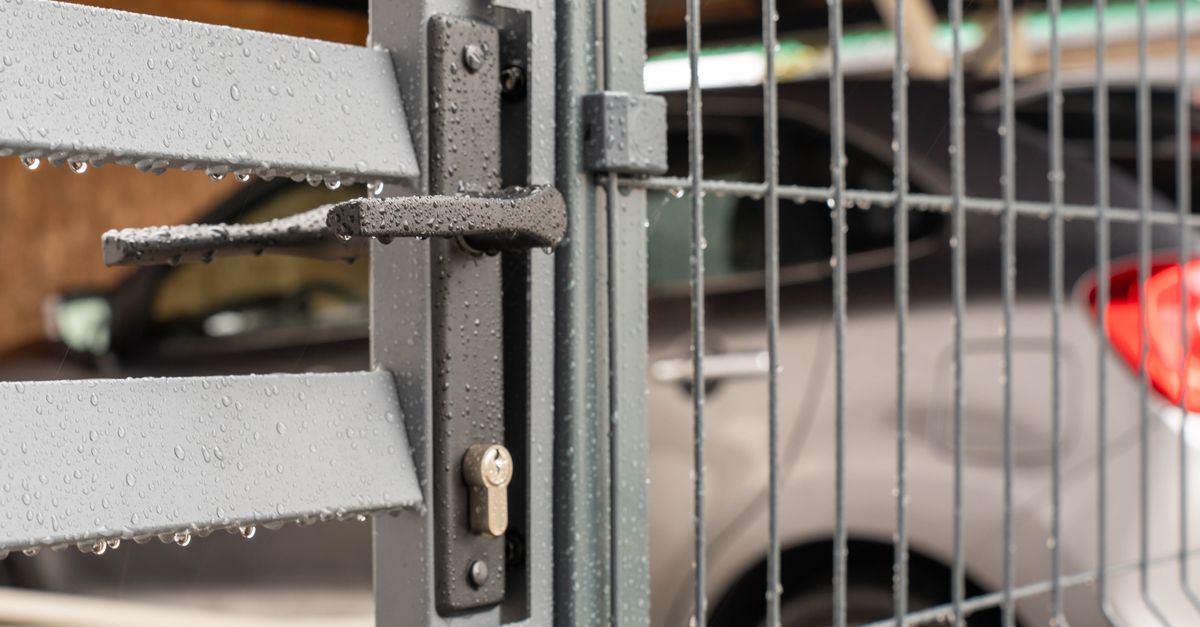
Your mortise lock is one of the hardest-working pieces of hardware on your home — built into the door itself, handling hundreds of turns a year, and expected to perform flawlessly every single time. Most homeowners in the New Windsor area don't think twice about their lock until the day it refuses to cooperate: a key that won't turn, a latch that drags, or a knob that wobbles like it's barely attached. By that point, the lock has usually been sending warning signals for weeks.
This article walks you through five real, recognizable signs that your mortise lock is approaching failure — and what each symptom actually means inside the mechanism. Whether you have a classic Baldwin mortise lock on a historic Colonial off Route 9W or a newer mortise lock set on an exterior door of a modern build near Cronomer Hill Park, catching these signs early can save you from a lockout, a break-in risk, or a full emergency replacement at the worst possible time.
## What Is a Mortise Lock — and Why Does It Fail Differently Than Other Locks?
A mortise lock is a lock body that fits inside a rectangular pocket (the 'mortise') cut into the edge of a door. Unlike a standard cylindrical knob lock or a deadbolt that mounts on the door's surface, a mortise lock set integrates the latch, deadbolt, and sometimes a strike mechanism into a single internal cassette. That design makes it exceptionally strong and versatile — it's why you'll find mortise locks on heavy commercial-grade exterior doors, old brownstones, and premium residential entry doors alike. Brands like Baldwin and Corbin Russwin built their reputations on mortise hardware precisely because the design outlasts simpler alternatives.
But that internal complexity is also what makes failure less obvious. When a cylindrical knob lock goes bad, you usually feel it immediately. When a mortise lock begins to fail, the symptoms often develop gradually inside the door body — a worn cam here, a compressed spring there — until one day the whole system seizes or the latch stops retracting. Understanding the warning signs means you're never caught off guard.
## Sign #1: The Key Turns Hard or Gets Stuck Mid-Rotation
If you've started putting noticeably more effort into turning your key — especially if it occasionally sticks at the same point in the rotation — the problem almost certainly lives in the mortise lock cylinder. The cylinder is the plug that reads your key's cuts and transfers that rotation into mechanical movement inside the lock body. Over time, worn pins, dried-out lubrication, or microscopic debris from a copied key can cause the cylinder to bind. Cold Hudson Valley winters accelerate this: metal contracts, tolerances tighten, and a cylinder that turns smoothly in July can feel like concrete in January.
What you should NOT do is force the key. A forced turn on a compromised cylinder can snap the key inside the plug — converting a service call into an extraction job. What you should do is note when it happens (first thing in the morning when it's cold? every time?), avoid wiggling the key, and call a professional locksmith to inspect the mortise lock cylinder and re-key or replace it before it fails completely.
## Sign #2: The Latch Sticks, Drags, or Doesn't Spring Back — A Classic Mortise Lock Warning
A healthy latch retracts the moment you turn the knob and snaps back into position the instant you release it. If yours drags on the strike plate, moves sluggishly, or occasionally stays retracted when you let go of the handle, the spring mechanism inside your mortise lock is fatiguing. This is one of the most common — and most underestimated — failure modes we see on exterior door installations across New Windsor.
A sticky latch doesn't just mean a door that's annoying to open. It means a latch that may not fully extend into the strike plate when you pull the door shut, leaving your home technically unsecured without you realizing it. Some homeowners prop the door or give it an extra tug out of habit, never recognizing that the lock is telling them something. A skilled locksmith can disassemble the mortise lock set, replace the worn spring components, and restore the latch to proper tension — often without replacing the entire lock body.
Mid-article reminder: If you're noticing any of these symptoms on your doors right now, don't wait for a full failure. Call Safe Hands Locksmiths at (845) 335-3911 — we're available around the clock and can assess your mortise lock the same day.
## Sign #3: The Door Knob or Handle Feels Loose or Spins Freely
A loose door knob on a mortise lock set is a different problem than a loose knob on a standard cylindrical lock. On a mortise system, the handles connect to a spindle that passes through the lock body and drives an internal cam or lever. When that spindle connection wears — through years of use, a stripped set screw, or a cracked cam — the handle may spin partially or completely without engaging the latch mechanism. You'll notice it as a slight rattle, a handle that moves a quarter-turn before 'catching,' or, in advanced cases, a knob that rotates all the way without retracting the latch at all.
This symptom is especially common on older mortise lock sets that have never been serviced. Many homes in the New Windsor area still run original hardware from the 1970s and 1980s on interior and secondary exterior doors — hardware that was quality when installed but is now well past its service interval. A qualified locksmith can identify whether the issue is the spindle, the cam, or the handle rose assembly, and source the correct replacement parts without requiring a full door modification.
## Sign #4: Visible Rust, Corrosion, or a Lock Body That Rattles Inside the Door
Open your door and look at the edge — the part with the faceplate. Any surface rust on the faceplate is a cosmetic concern, but rust or corrosion visible around the cylinder, inside the keyway, or on the latch bolt itself signals that moisture has reached the internal components. Once corrosion takes hold inside a mortise lock, it attacks the springs and pins that make precise movement possible. The lock may still function for weeks or months, but each operation accelerates the internal damage.
A rattling sound when you shake the door — distinct from the door itself moving in the frame — can indicate that the lock body has worked loose inside the mortise pocket. This happens when the mounting screws that hold the lock cassette in place strip out of the door material, or when the wood around the mortise compresses over time. A lock body that shifts even slightly inside the door will misalign the latch and cylinder, causing every other symptom on this list to compound. An experienced locksmith will check the mounting integrity as part of any mortise lock inspection — it's a step that purely DIY approaches almost always miss.
## Sign #5: You're Considering an Upgrade to a Smart Mortise Lock — Which Means the Old Hardware Has Run Its Course
Sometimes the clearest sign that a mortise lock needs attention isn't a mechanical symptom — it's the realization that the hardware is simply obsolete. Homeowners increasingly ask about smart mortise lock options: integrated electronic cylinders that allow keypad entry, remote access, or smartphone control while keeping the robust mortise lock body and latch system that a full replacement door prep would require. If you're researching smart locks and your current door already has a mortise prep, the transition is more straightforward than most people assume.
Whether you want to upgrade to a smart mortise lock, restore a premium Baldwin mortise lock on a front entry, or simply get a professional assessment of hardware that's been acting up, the process starts with a locksmith who understands the specific dimensions and mechanics of mortise systems — not just standard cylindrical locks. Our team services residential entry doors, commercial-grade exterior installations, and everything in between across New Windsor and the surrounding Orange County communities.
## Our Full Range of Locksmith Services — New Windsor NY and Beyond
Safe Hands Locksmiths is a 24/7 mobile locksmith operation based in the New Windsor area. Here's a specific look at what our team handles every day across residential, auto, and commercial work:
Residential Services: Mortise lock installation and repair · Mortise lock cylinder re-key and replacement · Deadbolt installation (single and double cylinder) · Door knob lock replacement · Smart lock installation and troubleshooting · Lock re-keying after a move or lost key · High-security lock upgrades · Master key system setup · Sliding door lock repair · Window lock installation · Lock-out response (residential) · Key duplication · Broken key extraction · Door frame and strike plate reinforcement · Safe opening and combination changes
Auto Locksmith Service: Car lockout response · Transponder key programming · Key fob programming and replacement · Laser-cut / high-security auto key cutting · Ignition cylinder repair and replacement · Trunk lockout assistance · Motorcycle and powersports key service
Commercial Locksmith Service: Commercial mortise lock set installation and service · Panic bar / exit device installation · Electronic access control setup · Intercom and keypad integration · Master key systems for multi-tenant buildings · Commercial re-key after staff changes · Storefront lock repair · ADA-compliant lever hardware installation · After-hours commercial lockout response · Safe installation and servicing · Mailbox and cabinet lock replacement
## What Determines the Cost of a Locksmith Service Call?
One of the most common questions we hear — right alongside 'what is a mortise lock?' — is about pricing. How much does a local locksmith charge? What is the average call-out fee for a locksmith? How much should an emergency locksmith cost? The honest answer is: it depends on several specific factors, and any quote that skips those details isn't a real quote.
The factors that shape your final price include the type and brand of hardware involved (a Corbin Russwin mortise lock set has different part costs than a basic interior knob), the time of day (overnight and weekend calls involve different logistics than a weekday afternoon appointment), travel distance to your location in or around New Windsor, and whether parts need to be sourced same-day. As for how much a locksmith should cost per hour — labor pricing varies by job complexity and region; a simple re-key and a full mortise lock body replacement are very different scopes of work. What we commit to at Safe Hands Locksmiths is straightforward: we confirm an exact, up-front price before any work begins, so there are no surprises on the invoice.
What locks can locksmiths not open? Professionally, there are very few lock types a trained locksmith can't service — but technique matters enormously. Our team handles mortise locks, deadbolts, high-security cylinders, electronic locks, and automotive systems. We do not provide bypass or forced-entry guidance; when a lockout situation arises, we verify ownership and use professional methods that protect both the hardware and the property.
## When to Call — Don't Wait for a Full Failure
If you've recognized even one of the five signs above on your door, the right move is to schedule an inspection before the lock fails entirely. A lock that fails locked leaves you standing outside; a lock that fails unlocked leaves your home exposed. Either scenario — especially overnight or in bad weather — turns a minor service need into an emergency locksmith call with compressed timelines and added stress.
Safe Hands Locksmiths serves homeowners and businesses throughout New Windsor, including neighborhoods near Temple Hill Road, the Route 32 corridor, and communities along the Hudson River waterfront. Whether your issue is a worn mortise lock set on an exterior door, a smart lock that won't connect, or a commercial door knob lock that's seen better days, our mobile team comes to you — fully equipped to diagnose and resolve the problem in a single visit. Call (845) 335-3911 — we answer 24/7, every day of the year.
Frequently asked questions
What is a mortise lock, and how is it different from a regular deadbolt?+
A mortise lock is a complete lock assembly — latch, deadbolt, and sometimes a strike mechanism — that fits inside a pocket carved into the edge of the door itself. A standard deadbolt or knob lock mounts on the door's surface without modifying the door body. Mortise locks are generally more robust and are common on commercial-grade doors, older residential entries, and premium exterior door hardware lines like Baldwin. Because the lock body sits inside the door, installation and repair require a locksmith familiar with mortise-specific mechanics.
Can a locksmith program my key fob, or do I have to go to a dealership?+
Yes — a trained automotive locksmith can program transponder keys and key fobs for most makes and models, including proximity keys and push-start systems. In many cases, a mobile locksmith can complete the programming at your location without a dealership visit. The cost and time involved depend on your vehicle's year, make, and the type of key technology it uses. Call (845) 335-3911 and give us your vehicle details — we'll let you know exactly what's involved before you commit.
How much should an emergency locksmith cost, and is there a standard call-out fee?+
There is no universal standard — pricing varies based on the job type, hardware involved, time of day, travel distance, and parts required. What you should always expect from a trustworthy locksmith is a clear, confirmed price before any work begins. Be cautious of quotes that seem artificially low before the technician arrives; legitimate locksmiths assess the actual job before confirming a final number. At Safe Hands Locksmiths, we give you an exact up-front price every time — no surprises.
What locks can locksmiths not open?+
A skilled locksmith can service the vast majority of residential, commercial, and automotive locks — including high-security cylinders, mortise lock sets, electronic access systems, and most safe types. There are rare proprietary or prototype lock systems with intentionally restricted service access, but these are uncommon in standard residential or commercial settings. What professional locksmiths will not do is provide forced-entry techniques or bypass methods outside of a verified, legitimate lockout situation with ownership confirmation.